Key logistics terms explained
Logistics terminology can feel like a barrier when you are trying to grow an ecommerce business. From delivery performance SLAs to cut off times, the language used by logistics providers is often assumed knowledge rather than clearly explained.

Yasmin Cohen
0
min read
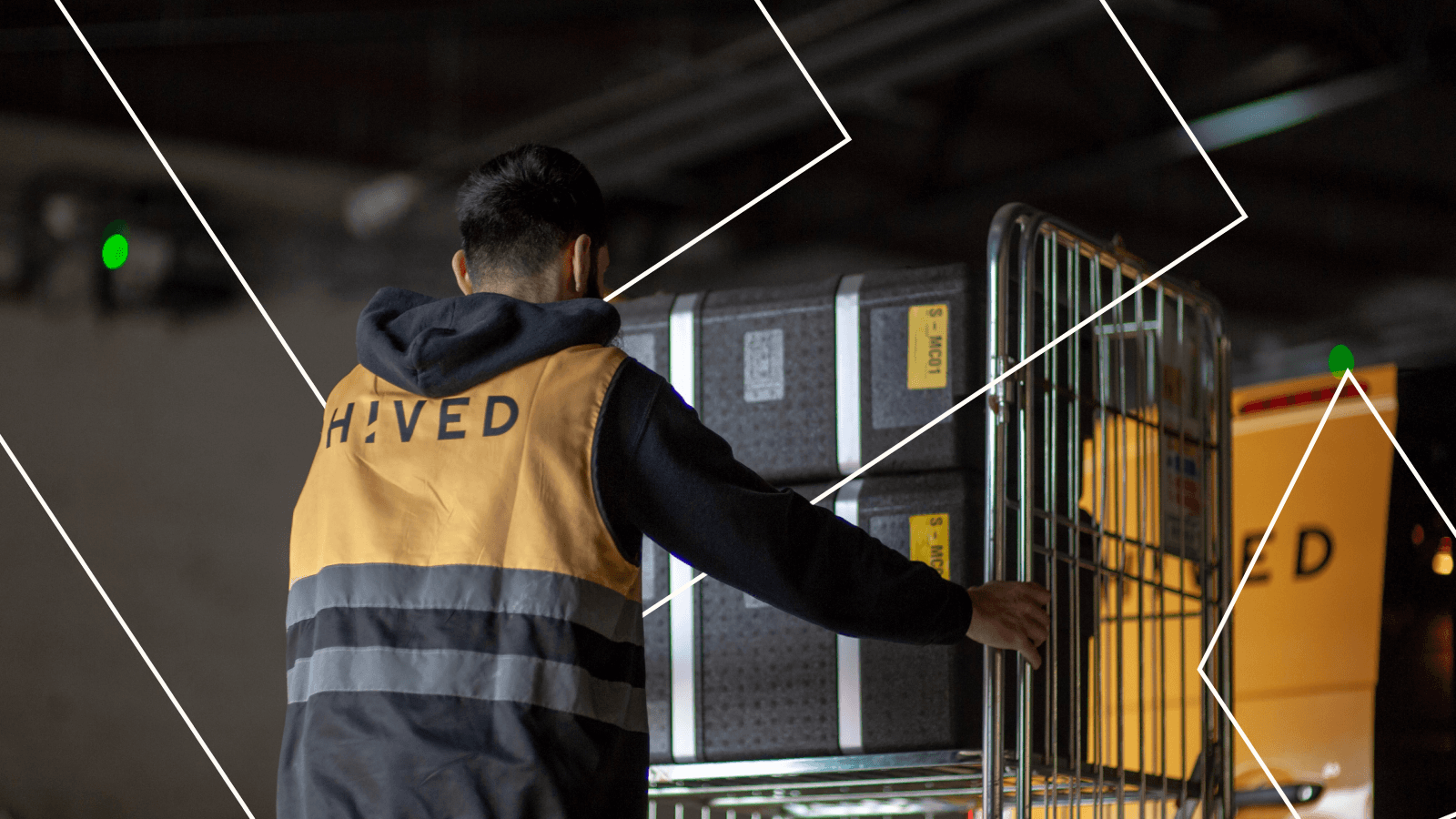
Logistics terminology can feel like a barrier when you are trying to grow an ecommerce business. From delivery performance SLAs to cut off times, the language used by logistics providers is often assumed knowledge rather than clearly explained.
If you have ever wondered where to start, this A to Z guide covers the most important logistics and delivery terms you are likely to encounter. Understanding these concepts will help you compare delivery options, set realistic customer expectations, and make better decisions as your business scales.
Below, we break down key logistics terms in alphabetical order, what they mean, and how they show up in real world ecommerce operations.
Cut off times
A cut off time is the latest point at which an order can be placed and still be processed or dispatched on the same day.
For example, if your cut off time is 3pm, an order placed at 2.45pm may still ship that day, while an order placed at 3.05pm will usually be processed the next working day. Cut off times directly affect the delivery speed promises shown at checkout and need to align closely with warehouse operations.
Delivery windows
A delivery window is the time range given to a customer for when their parcel is expected to arrive. This might be a full day window or a narrower time slot.
For example, a customer may be told their parcel will arrive between 9am and 6pm, or more precisely between 2pm and 4pm. Clear delivery windows help customers plan and increase first time delivery success, while vague windows often lead to missed deliveries and frustration.
Failed delivery
A failed delivery occurs when a courier attempts to deliver a parcel but cannot complete the delivery successfully.
This could happen if no one is home, access to the building is restricted, or delivery instructions are unclear. Each failed attempt adds cost, delays the order, and creates a poor customer experience. Reducing failed deliveries is a key focus for high performing delivery networks.
First mile
First mile refers to the movement of goods from a seller, manufacturer, or supplier to a warehouse or fulfilment centre.
For example, this could be stock being transported from a factory to a central distribution hub. While customers never see the first mile, delays or inefficiencies here can affect stock availability and delivery speed further down the line.
Last mile delivery
Last mile delivery is the final stage of the delivery journey, where a parcel travels from a local depot to the customer’s door.
This is where customers interact most directly with your brand. For example, the quality of driver communication, delivery timing and handling all influence how customers perceive the delivery experience. Last mile delivery can be the most complex and expensive part of logistics.
Linehaul
Linehaul refers to the long distance transport of goods between major hubs, depots, or cities.
For example, parcels may travel overnight by lorry from a regional hub to a city depot ahead of next day delivery. Reliable linehaul operations are essential for maintaining delivery speed and meeting delivery promises.
Middle mile
The middle mile covers the movement of parcels between warehouses, sorting centres or hubs within a delivery network.
An example of middle mile transport is parcels moving from a national sorting centre to a regional depot. Although customers will not see this stage, issues here can cause delays that may impact the final delivery performance.
Parcel vs freight: what’s the difference?
Parcels are typically smaller, lighter shipments delivered through standard courier networks. Freight usually refers to larger, heavier or bulk shipments that require specialist handling.
For example, a single clothing order would be shipped as a parcel, while a pallet of stock moving between warehouses would be considered freight. Understanding this distinction helps ensure you choose the right service, pricing model, and delivery partner.
Proof of delivery (POD)
Proof of delivery confirms that a parcel has been successfully delivered.
This might include a delivery photo left in a safe place, a customer signature, or a digital confirmation sent to the retailer. POD is useful for resolving customer queries, reducing disputes, and providing reassurance when customers believe an order has not arrived.
Rerouting
Rerouting is the process of changing a parcel’s delivery destination after it has already entered the delivery network.
For example, a customer may redirect their parcel to a neighbour, a safe place, or a local collection point after receiving a delivery notification. Flexible rerouting options improve delivery success rates and give customers more control over their delivery experience.
Returns
Returns are items sent back by customers after delivery.
In ecommerce, this might happen due to incorrect sizing, damage or a change of mind. A clear and simple returns process can help maintain customer trust and play a significant role in repeat purchasing decisions.
Service level agreements (SLAs)
A service level agreement, often shortened to SLA, sets out expected performance standards between a business and a logistics provider.
For example, an SLA might specify on time delivery targets, delivery success rates or response times for resolving issues. SLAs can provide accountability and help businesses objectively measure whether a delivery partner is performing as expected.
Tracking and notifications
Tracking allows businesses and customers to see where a parcel is throughout its journey. Notifications provide updates at key moments, such as when a parcel is dispatched or out for delivery.
For example, proactive notifications can reduce customer service queries by keeping customers informed and setting clear expectations.
Volumetric weight
Volumetric weight is a pricing method based on the size of a parcel rather than its actual weight.
For example, a large but lightweight box may cost more to ship than a smaller, heavier parcel because it takes up more space in the vehicle. Understanding volumetric weight can help businesses optimise packaging, avoid unexpected charges, and better control delivery costs.
Why understanding logistics terminology matters
You do not need to memorise every logistics term to run a successful ecommerce business, but having a working understanding of the basics makes a real difference.
When you understand the language of logistics, you are better equipped to ask the right questions, challenge assumptions, and make informed decisions about your delivery setup.
Clear terminology helps you compare delivery partners more effectively, spot potential issues earlier and set realistic expectations with customers. As your business grows, logistics naturally becomes more complex.
Investing time in understanding these terms early helps ensure your delivery operation supports growth - rather than holding it back.
Explore how these concepts come together in a real delivery network 👉 homepage



CAREERS
Shape the future of logistics
We are hiring across our business. Get in touch today to see if HIVED could be the right fit for you.

" height="18px" id="WXhVeA1oH" transform="translate(4.16 3)" width="15.680039999999998px"/></svg>)
" height="18px" id="B9Ck5Ljyr" transform="translate(3 3)" width="18px"/></svg>)
" height="18px" id="v2_jQqFYe" transform="translate(3 3)" width="18px"/></svg>)