What is logistics? A beginner’s guide for small businesses
If you are preparing to sell a new product, logistics can feel like one of those things you are supposed to understand, but no one ever really explains.

Yasmin Cohen
2
min read
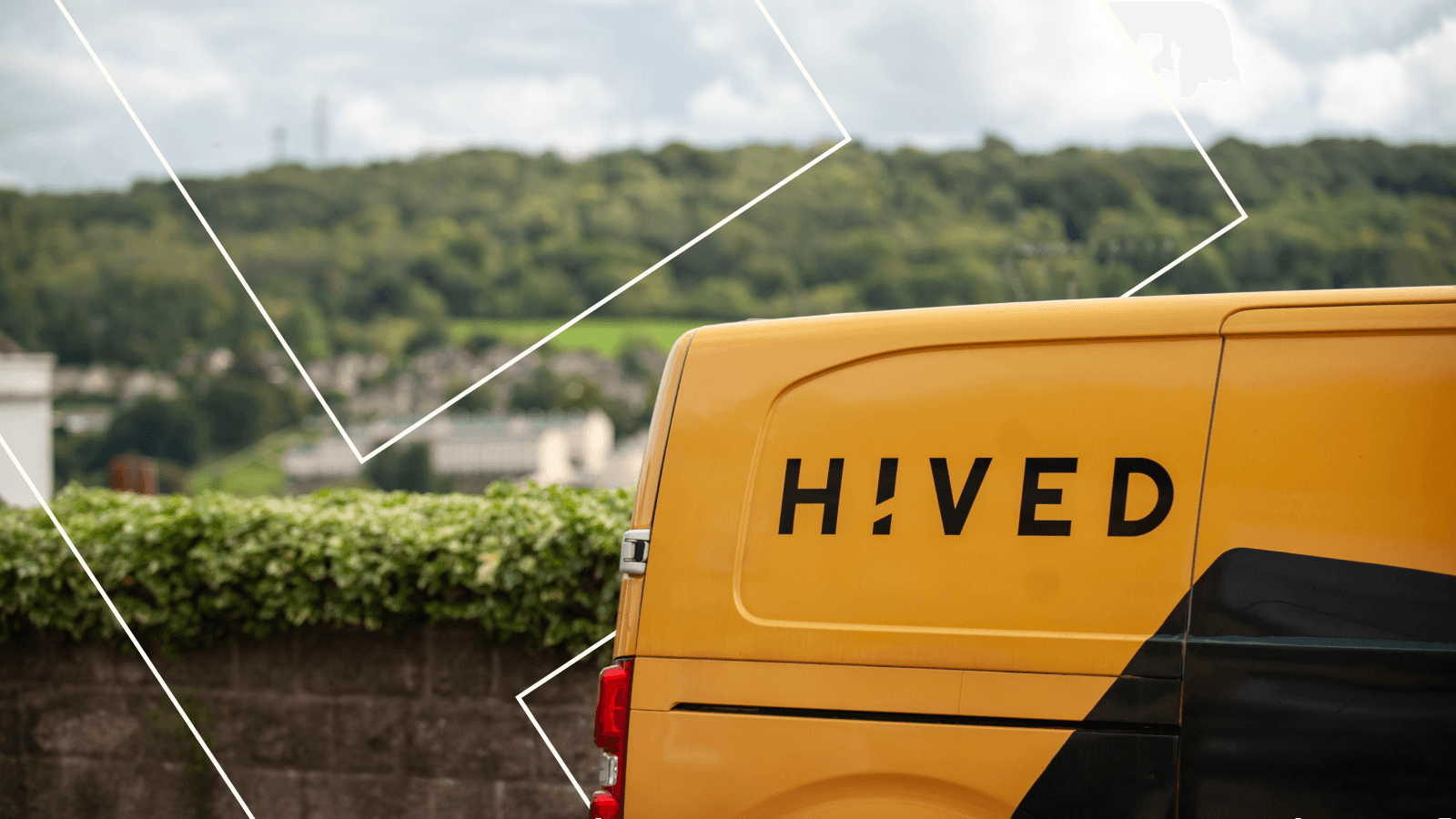
If you are preparing to sell a new product, logistics can feel like one of those things you are supposed to understand, but no one ever really explains.
At its simplest, logistics is everything that happens after a customer clicks “buy”. It covers how your products are stored, packed, moved, delivered and sometimes returned. For small businesses, getting logistics right early can be the difference between a smooth, scalable operation and one that becomes difficult to manage as you grow.
What does logistics actually include?
Logistics covers the full journey that a product will take, as it departs from your business and arrives in the hands of your customer. That will usually include storage, inventory management, order processing, picking and packing, last mile delivery and returns. Each of these steps has an impact on cost, speed, reliability and customer experience.
For example, where your products are stored geographically affects how quickly they can reach customers. How orders are picked and packed affects accuracy and presentation. The delivery partner you choose affects not just speed, but how your brand is represented at the doorstep.
Why logistics matters more than you think
For ecommerce customers, delivery is the only physical interaction they have with your brand. A late delivery, damaged parcel or confusing tracking experience can undo the work you have put into the marketing and negatively impact how your brand is perceived.
On the flip side, reliable delivery builds trust. Customers who receive their orders on time and without hassle are more likely to return, recommend your brand and spend more over time. Logistics is therefore not just an operational function, it is a key part of customer experience and retention.
In house vs outsourced logistics
Small businesses usually start by handling logistics themselves. That might mean storing stock at home, packing orders manually and booking parcels through a courier website. This can work well at low volumes and gives you full control.
As order volumes increase, this approach often becomes time consuming and harder to manage. Outsourcing logistics to a fulfillment or delivery partner can free up time and reduce complexity, but it requires trust, clear communication and a strong partnership. There is no single right answer. The best setup depends on your order volume, product type, growth plans and customer expectations.
What to look for in a logistics/delivery partner
When working with a delivery partner, reliability is at the heart of the service. A consistent delivery performance matters more than headline speed. Transparency follows this, where unlocking key information across the supply chain is essential to the success of each delivery. You will want to check how you are able to track every parcel at each stage, understand performance, and communicate clearly with customers.
After validating reliability and transparency, the next key consideration is sustainability. Choose a delivery partner that not only performs operationally but also aligns with your brand values. Sustainability should not be an add-on, it should strengthen your brand story and reflect what your business stands for.
Common mistakes that can be made
Treating delivery as an afterthought can lead to rushed decisions and poor customer experiences. Planning ahead at every stage of logistics helps avoid last minute fixes and sets your business up for long term success as volumes grow.
Another is focusing purely on cost. Cheaper delivery is not always better if it leads to missed deliveries or unhappy customers. It is also easy to underestimate how quickly volumes can grow. Thinking ahead and building flexibility into your logistics early can save a lot of pain later.
Logistics as a growth enabler
When your logistics work, it fades into the background. Orders arrive when expected, customers are happy and your team can focus on continuing to grow the business.
For small businesses, logistics should not be seen as a box to tick. It is a core part of how your brand operates and how customers experience you. Investing time in understanding logistics early puts you in a much stronger position as you scale.
See how a modern logistics network works in practice 👉 [Ship with HIVED]

CAREERS
Shape the future of logistics
We are hiring across our business. Get in touch today to see if HIVED could be the right fit for you.

" height="18px" id="WXhVeA1oH" transform="translate(4.16 3)" width="15.680039999999998px"/></svg>)
" height="18px" id="B9Ck5Ljyr" transform="translate(3 3)" width="18px"/></svg>)
" height="18px" id="v2_jQqFYe" transform="translate(3 3)" width="18px"/></svg>)